
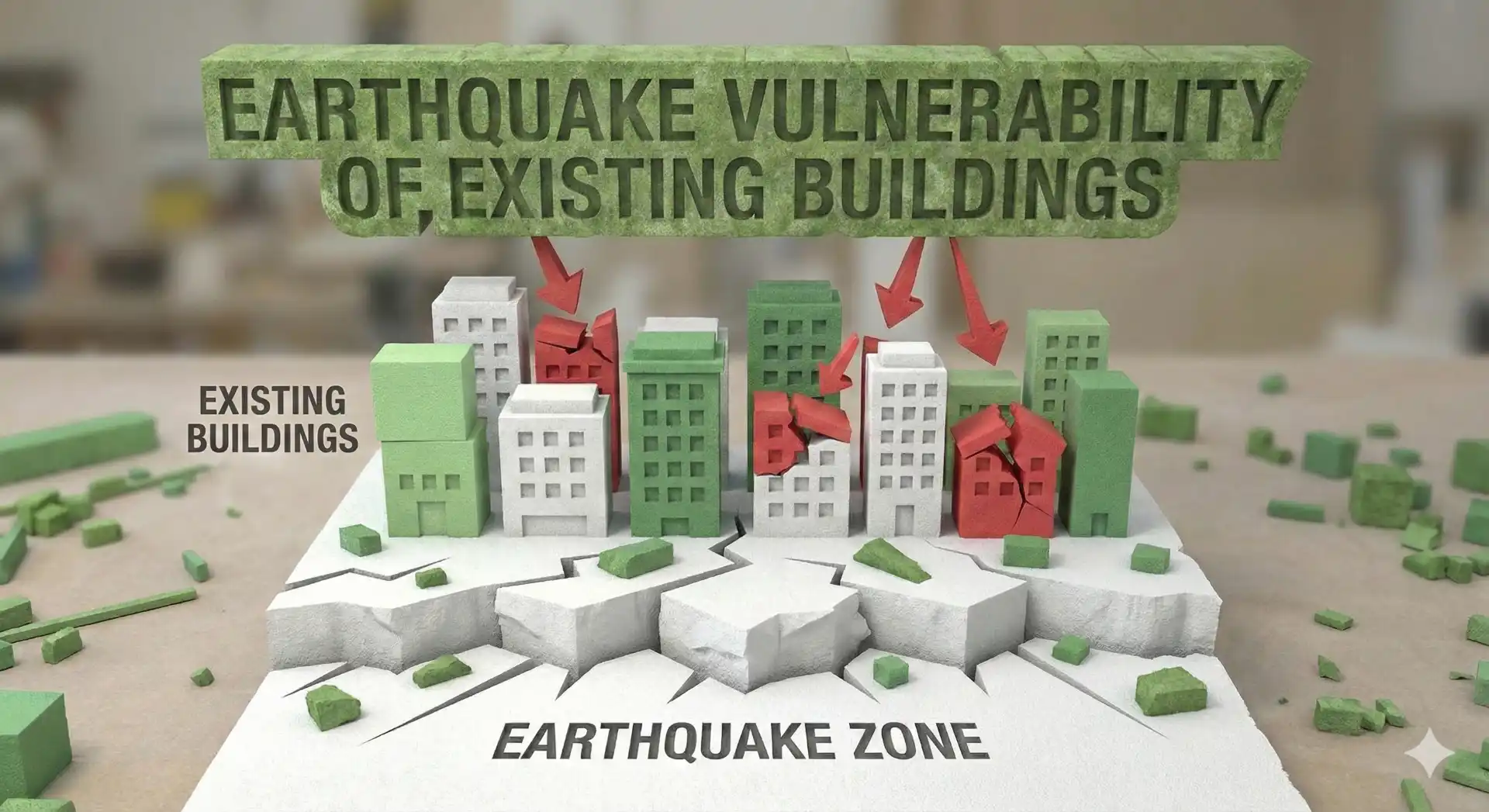
Bangladesh lies in a seismically active region, yet earthquake preparedness remains dangerously inadequate. Cities such as Dhaka, Chattogram, Sylhet, and Mymensingh are at significant risk due to nearby fault lines. Despite this, a large portion of the existing building stock was constructed without proper seismic considerations, creating a silent vulnerability beneath the urban landscape.
Many older buildings lack essential earthquake-resistant features. Poor detailing of reinforcement, weak beam-column joints, absence of shear walls, and irregular structural configurations are common issues. Even some newer buildings fail to meet seismic code requirements due to weak supervision, insufficient professional involvement, or cost-cutting practices during construction.
Earthquake vulnerability is particularly concerning because it is not easily visible. A building may appear strong from the outside but could collapse catastrophically under lateral shaking. This uncertainty puts millions of residents, students, office workers, and hospital patients at risk every single day.
Retrofitting offers a practical path forward. Structural strengthening techniques such as column jacketing, steel bracing, addition of shear walls, and fiber-reinforced polymer wrapping can significantly improve a building’s performance during earthquakes. Although retrofitting involves cost, it is far less expensive than rebuilding after a disaster and far more valuable than the loss of human lives.
Public awareness is also essential. Many building owners do not understand seismic risk, and few consider retrofitting as an investment. Educational campaigns, incentives, and technical guidance can encourage more people to take proactive steps. Government institutions, professional organizations, and universities must collaborate to develop national strategies for assessing and upgrading vulnerable buildings.
Earthquake resilience is not about fear; it is about foresight. With the right policies, professional commitment, and public cooperation, Bangladesh can significantly reduce future disaster risks and create safer cities for generations to come.