
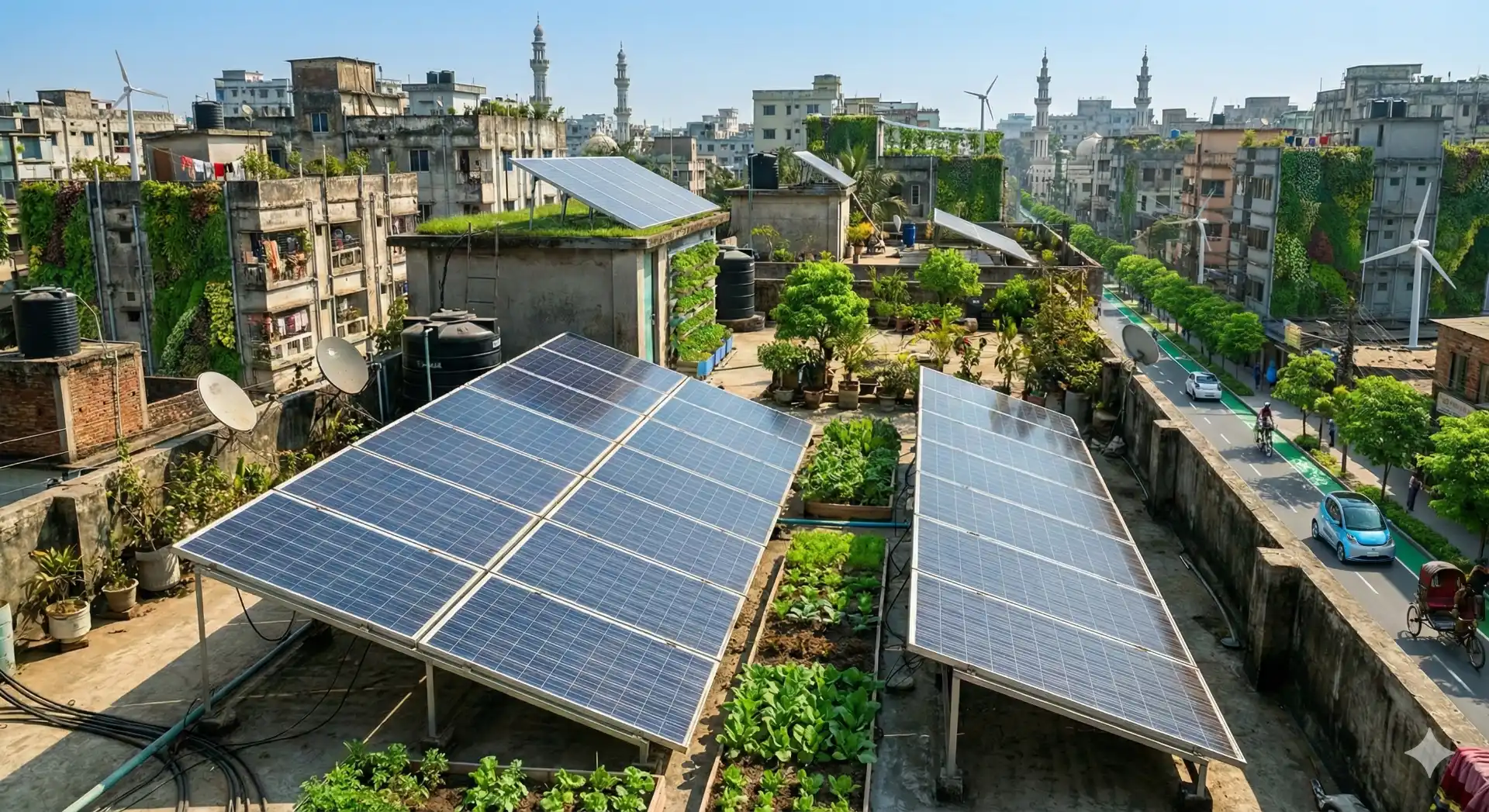
Dhaka, the beating heart of Bangladesh, is a city of vibrant energy, bustling streets, and endless potential. But like many rapidly expanding urban centers, it also faces persistent challenges in energy supply. As demand grows and power grids strain, a powerful solution is shining from above — quite literally. Rooftop solar energy is not just a trend; it’s a strategic opportunity for Dhaka’s sustainable future.
Why Rooftop Solar Makes Sense for Dhaka
Dhaka receives abundant sunshine throughout the year. With roughly 8–10 hours of daily sunshine, the city has a natural advantage for solar energy generation. Every flat roof, apartment complex, school, mosque, or factory has the potential to become a miniature power plant.
Here’s why rooftop solar deserves attention:
1. Reducing Dependency on the Grid
Frequent load shedding and high peak demand stress the national grid. Rooftop solar systems can relieve this pressure by generating electricity where it’s used. For households and businesses alike, this means greater reliability and fewer interruptions.
2. Lowering Electricity Bills
Once installed, solar panels harness free sunlight. Even if a system only offsets part of your energy use, the savings on monthly electric bills can be significant. Over time, solar pays back its own cost — often within 4–7 years — and continues saving money for decades.
3. Cutting Carbon Emissions
Dhaka’s air quality challenges are well known. Solar energy is zero-emission at the point of use. Every rooftop installation helps reduce reliance on fossil fuel power plants, meaning cleaner air, less greenhouse gas, and a healthier urban environment for all.
4. Empowering Local Jobs and Tech Growth
Developing a rooftop solar ecosystem creates jobs in installation, maintenance, design, and sales. Local entrepreneurs can thrive, building a market that keeps economic benefits within Bangladesh.
How Rooftop Solar Works
A typical rooftop solar setup includes:
-
Solar Panels (PV Modules): Capture sunlight and convert it into DC electricity.
-
Inverters: Convert DC power to AC power that household appliances can use.
-
Mounting & Support Structures: Secure panels safely on roofs, accounting for wind and rain.
-
Battery Storage (Optional): Stores energy for use during night or cloudy days.
With net metering policies — where excess solar generation can be fed back to the grid for credit — homes and businesses can maximize the value of their solar systems.
Challenges — and How to Overcome Them
No transition is without hurdles. Rooftop solar adoption in Dhaka faces a few common challenges:
1. Upfront Costs
Solar systems require initial investment, which can feel steep. However:
-
Financing options and solar loans are increasingly available.
-
Government incentives and favorable policies are emerging.
-
Long-term savings make it a smart financial choice.
2. Space Constraints
Many rooftops in Dhaka are small or irregular. But innovative designs and high-efficiency panels ensure that even limited space can generate meaningful power.
3. Technical Awareness
People need accurate information about system sizing, maintenance, and expected performance. Professional installers and community education campaigns can bridge this gap.
Stories of Impact: Vision for Communities
Imagine a school in Mohammadpur that operates all day on solar power, or a home in Dhanmondi where peak afternoon sunlight eliminates costly peak-hour electricity use. Think of rooftop solar powering water pumps in utility buildings, supporting EV chargers, or lighting up small businesses in Uttara.
Each panel installed is a vote for cleaner air, lower energy bills, and a resilient Dhaka.
A Bright Tomorrow Starts Today
The shift to rooftop solar is not just about renewable energy — it’s about empowering citizens, strengthening the local economy, and building a city that thrives sustainably. Dhaka’s rooftops are an asset just waiting to be activated.
Whether you’re a homeowner, building manager, business leader, or policymaker, there’s a role you can play. The sun is rising on a new era of urban energy — and Dhaka is ready to lead.
Author: MA Kayesh Tanim